

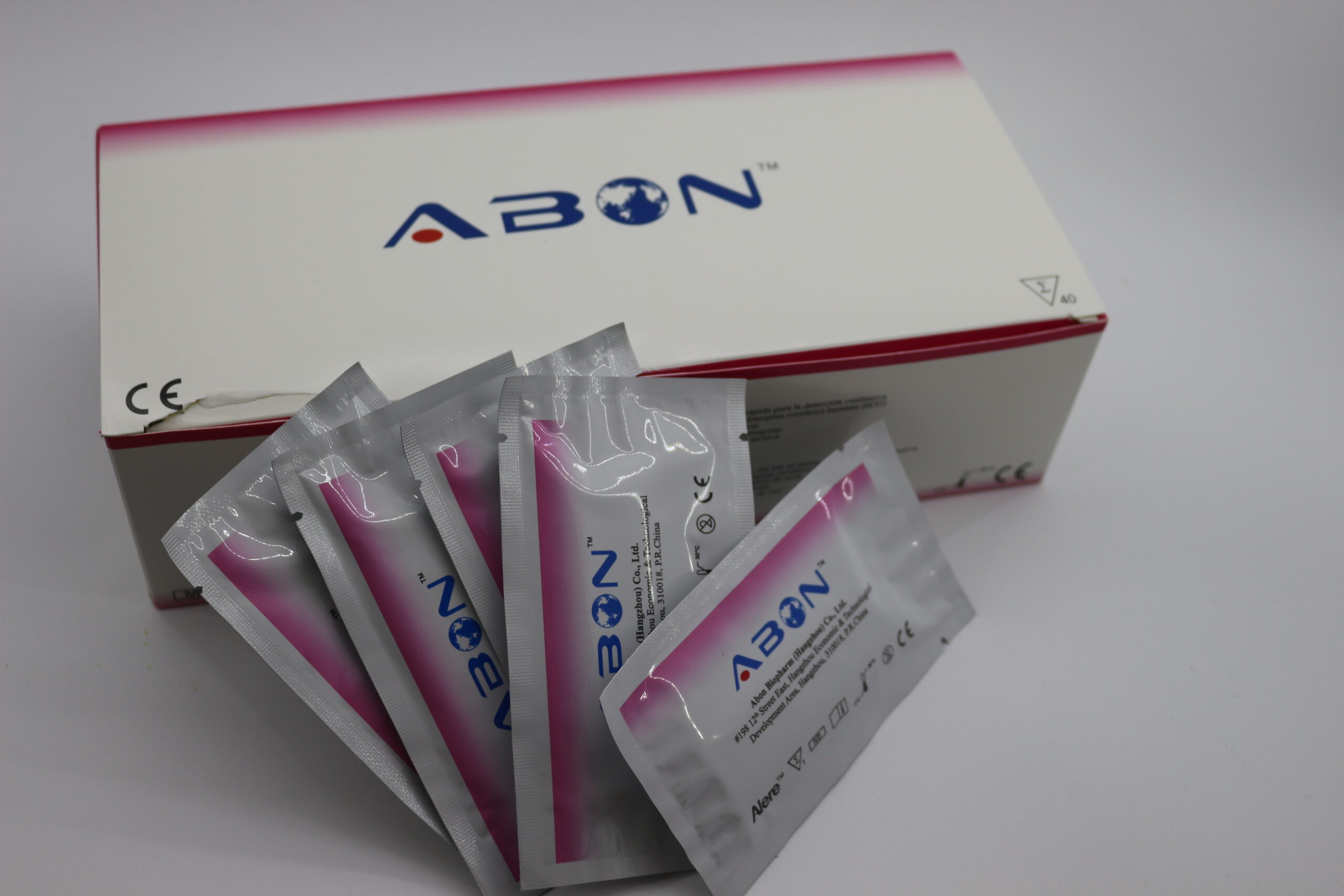
An HCG Abon test, or pregnancy test, detects the hormone human chorionic gonadotropin in urine or blood, primarily confirming pregnancy.
Produced by the placenta shortly after embryo implantation, hCG levels typically double every 2-3 days, peaking in the first trimester.
Beyond pregnancy, the test aids in monitoring, diagnosing complications (like ectopic pregnancy or miscarriage), or identifying certain tumors.
Key Aspects of HCG Abon Testing:
- Types of Tests:
- Urine Test: Often used at home, these are roughly 99% accurate when taken correctly, usually after a missed period.
- Blood Test (Quantitative): Measures the exact amount of hCG in the blood, allowing doctors to track early pregnancy progression or detect abnormalities.
- Blood Test (Qualitative): Simply confirms the presence or absence of the hormone.
- Purpose & Uses:
- Pregnancy Detection: Confirms pregnancy as early as 10–14 days after conception.
- Monitoring Complications: Used to investigate potential ectopic pregnancies or monitor miscarriage.
- Medical Diagnostic: High levels of hCG in non-pregnant individuals can be a marker for certain germ cell tumors or cancers of the ovaries/testicles.
- Timing for Accuracy: For the most accurate results, it is best to take a urine test after your first missed period.
- Results Interpretation: While a positive test is usually a clear indicator of pregnancy, false negatives can occur if tested too early.






لا يوجد تقييمات حتي الآن